


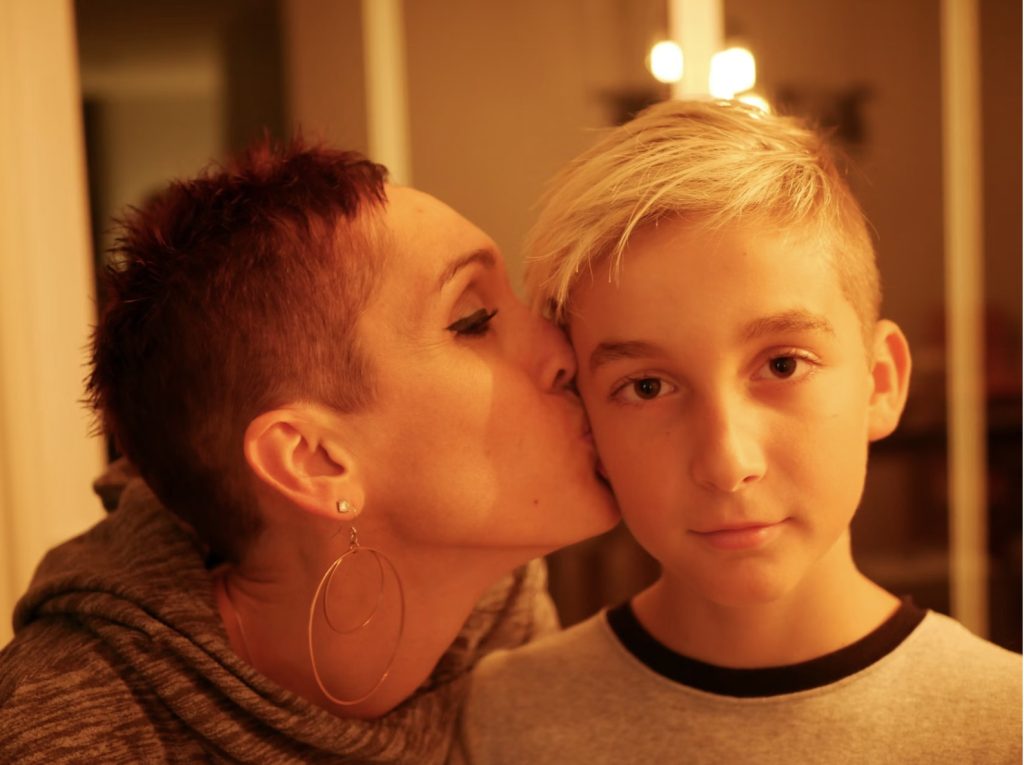
Starting school after a long break or facing new challenges can be stressful for children. Yet often, the anxiety children experience isn’t just about the school day itself – it’s also shaped by the emotional signals they pick up from their parents. At Active Listening Therapies in Newark, experienced counsellors Louise and Duncan Ellison frequently see how parental reactions, even subtle ones, can impact a child’s emotional wellbeing. Understanding these patterns and supportive counselling can help families navigate anxiety with greater confidence.
How Children Mirror Their Parents’ Emotions
Children are remarkably attuned to the feelings of the adults around them. From the moment they wake up to the evening bedtime routine, children notice and internalise parental stress, worry, or frustration. This mirroring can manifest in subtle ways: fidgeting, reluctance to go to school, or sudden mood swings. Even well-intentioned expressions of concern, such as saying, “Are you nervous about school?”, can inadvertently amplify a child’s own anxieties.
When a child senses that their parent is stressed about a transition – like going back to school – they may experience heightened anxiety themselves. This is why, at Active Listening Therapies, Duncan and Louise emphasise the importance of parents modelling calm, confident, and supportive behaviour.
Common Emotional Mistakes Parents Make
Overexpressing Worry: Saying things like, “I’m so nervous for you” can communicate that there is something inherently risky or scary about the situation. Children often take these cues literally.
Rushing the Conversation: Brushing over a child’s concerns with, “Don’t worry about it”, may unintentionally signal that their feelings are invalid or unimportant.
Projecting Your Own Stress: Parents juggling work, logistics, and personal stress may unknowingly transfer tension to their child during morning routines or drop-offs.
Comparing to Siblings or Peers: Statements like, “Your brother wasn’t scared on the first day” can heighten anxiety by implying a child’s feelings are wrong or inadequate.
Supporting Children Through Anxiety
So, what can parents do instead? Small adjustments in communication and behaviour can make a big difference.
Validate Feelings: Listen attentively and acknowledge emotions. Saying, “It’s okay to feel nervous about starting school” teaches children that their feelings are normal and acceptable.
Model Calm Confidence: Demonstrate coping strategies like deep breathing or planning the day together. Children absorb these behaviours and learn to regulate their own emotions.
Encourage Problem-Solving: Help children think through solutions, such as planning a route to school or packing their bag the night before. Feeling prepared reduces anxiety.
Maintain Routine: Predictable routines provide security. When children know what to expect, their emotional resilience strengthens.
How Counselling Can Help
At Active Listening Therapies in Newark, we offer tailored counselling for children and families navigating anxiety. Counselling provides a safe space for children to explore feelings, learn coping strategies, and build confidence in handling nervous situations. For parents, counselling offers guidance on managing their own emotional responses, helping break cycles of mirrored anxiety.
Creating a Calm Start to the School Year
As the new school year approaches, being mindful of emotional cues can set the tone for a child’s experience. By modelling calm, validating feelings, and encouraging coping strategies, parents can help children face transitions with resilience rather than fear.
If you’re noticing your child struggling with anxiety, or you want to learn ways to support them without transferring your own worries, contact Louise or Duncan at Active Listening Therapies in Newark. Together, we can create a supportive approach that nurtures emotional wellbeing for the whole family.
You can make contact using the following link: https://www.activelisteningtherapies.com/contact-us/