


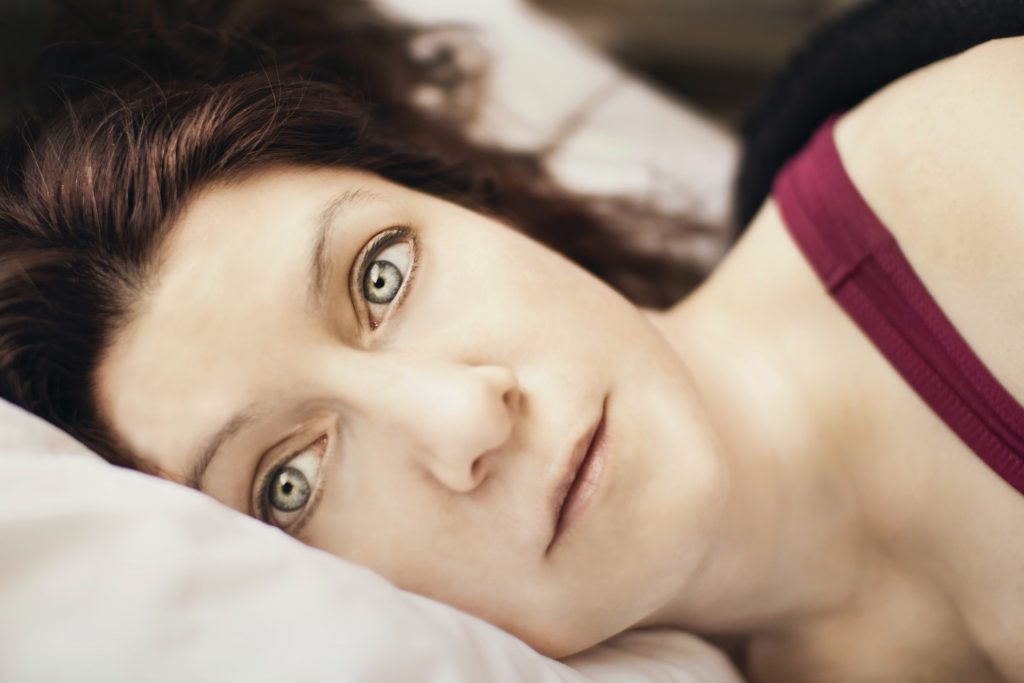
A lot has changed over the past four weeks – and by enlarge, I have adjusted to new routines, however, my sleep pattern is far from being satisfactory. No longer needing to get up, my wake up alarm has slipped from – what would usually be – a prompt 06:30 alarm to a – maybe – get up around 08:30 alarm. There is no longer differentiation between weekdays and weekends and because the whole family routine has changed, the usual hive of morning activity has been lost. Recently, I have even played ‘wake up roulette’ by not setting an alarm at all! The result being, the whole family slept well past our usual acceptable wake-up times – even for a weekend!
So what is the concern; If there is no need to be at work, should I be bothered that my body clock has taken a sabbatical? Aside from it now being mildly annoying that I am wired through the night, then still in my PJ’s at three in the afternoon; I am in danger of losing all sense of date and time. Thankfully, I don’t seem to be alone! Sky News recently reported that many people are finding it difficult to wake up in the morning, feel fatigued during the day and are having trouble sleeping at night. It’s all down to our circadian rhythms says Professor Colin A. Espie; a Professor of Sleep Medicine at Oxford University.
Choose exercise over daytime snoozes
A lack of structure in the day can lead to fatigue; general tiredness, a low mood and a reduction of energy levels. So with little booked in the diary, It becomes easier to choose sleep rather than activities challenging the brain. This impacts your ability to achieve quality sleep which can then lead to stress and anxiety. It presents another problem. Professor Espie warns that at times of stress, dreaming can be more intense, with more emotional or anxious content.
What a contrast – for those who are locked-down, there has never been a better time to catch up on quality sleep and relaxation; easier said than done when you are in the middle of a global pandemic! According to Professor Espie, we are more than likely stressing our mind and body. What I thought I knew has now been confirmed; watching TV can be exhausting! Whether it be a long stretch of time in front of the television, or a Netflix binge on a mobile device, being on the sofa – and poor posture – can bleed us of energy, as our body recognises stillness with sleep.
If all this is ringing true for you, here are 8 tips for resetting your sleep schedule:
1 – Plan a back-to-bed routine: Sounds easy, but you have to do it carefully, adjusting no more the 10 to 15 minutes every few days.
2 – Resist the afternoon snooze: When you feel like a quick sleep is in order choose exercise over shut-eye. Exercise will always chase away sleepiness.
3 – Do not sleep in and get up at a regular set time: Being consistent will help to maintain your sleep schedule. Have a positive reason to get you out of bed.
4 – Be strict with your sleep schedule: It only takes one late night or a weekend lay-in and you could ruin your sleep pattern. Avoid the urge to read a book in bed, the plot and characters may just reoccur in your dream pattern.
5 – Keep clear of unnatural light: Mobile devices and many LED lamps in the house can keep you wired long after you jump under the duvet. There is no need to keep checking the social media accounts – no one is doing anything!
6 – Keep the bedroom cool: If the room temperature is too hot you will soon feel uncomfortable. Keep the window open and let the fresh air flow. No one wants to be breathing in stale air during sleep time.
7 – Listen to your body: Whilst it may be difficult to exercise like you used to, there are plenty of indoor options. There has been a real growth in online fitness resources which are suitable for the whole family. If you have never tried any mindfulness, now is a great time to download an app and be more aware of what your body feels like.
8 – Make positive beverage choices: You may have needed a large can of Monster, or a double shot coffee to keep you going during the day, but – if you are stuck in the house – you are no longer as active – mentally or physically – as you used to be. Anything with caffeine or a high sugar content should be avoided.
Distressed sleep pattern is not uncommon
Knowing that a disturbed sleep pattern is more common than you think right now, hopefully, you – like I – can make a few minor changes to the daily routine to ensure the best nights’ sleep can be achieved. Let me know how you get on. Duncan
If you are having further concerns about your mental health or you are looking for counselling support in Newark or Nottingham, we offer both male and female counsellors. Due to the Covid – 19 lock down measures we are are unable to see clients face-to-face at the moment but will resume a normal service when permitted to do so. In the meantime, Duncan Ellison and Louise Ellison are both available for telephone or video appointments. You’ll also find links to other helpful organisations on our useful links page… Take me there