


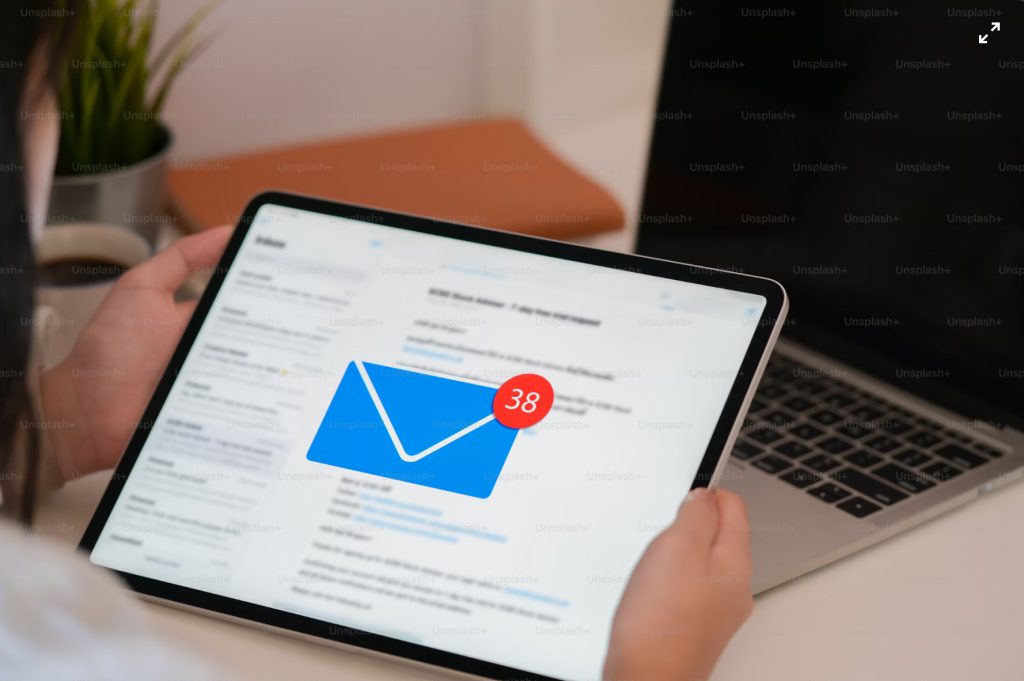
Let’s be honest; when was the last time you actually opened one of those daily newsletters or promo emails crowding your inbox? If your email feels like a chaotic mess of sales, updates, and random newsletters you don’t even remember signing up for, you’re not alone. And if it’s quietly driving you a bit mad, you’re definitely not alone. It’s time to unsubscribe.
In a world where ‘digital overload’ has become the norm, hitting that unsubscribe button might just be one of the most empowering, liberating things you can do for your mental health. Seriously. Unsubscribing isn’t just about tidying up – it’s a low-key act of self-care.
Let’s talk about the power of unsubscribing, and why your mind might thank you for it.
The Hidden Stress of Email Overload
Think about how many times a day you check your email. Now think about how often it’s full of stuff you don’t want, didn’t ask for, or just don’t need. Those little red notification bubbles. The constant ‘you might like this’ or ‘just one more offer’ messages. It builds up – and not just in your inbox.
Research has shown that digital clutter can have a real psychological impact. Every unread message can create a subtle layer of stress. Each irrelevant email you skim or delete is a micro-decision your brain has to make. It’s exhausting.
In fact, many people report feelings of anxiety, overwhelm, and even guilt tied to a messy inbox. And while it might seem harmless, the accumulation of all that forced information can create background noise that affects focus, productivity, and overall mood.
The Emotional Relief of Unsubscribing
Unsubscribing is one of those deceptively small actions that creates real change. Every time you click that “unsubscribe” link, you’re saying:
– I get to choose what information I consume.
– I don’t have to be available to everything and everyone.
– I value my peace of mind.
That’s huge. It’s mental decluttering in the same way you might tidy up your living space. And we know how good that feels.
By cutting down on digital noise, you’re also reducing mental load and giving your brain some much-needed breathing space. The result is improved focus, better sleep, and more calm.
Why We Stay Subscribed (Even When We Don’t Want To)
So why do we stay subscribed to emails that don’t serve us? Simple: FOMO (fear of missing out) and habit. We worry we’ll miss a deal, forget about a brand we like, or need something later. Or we just get used to skipping and deleting without questioning the cost.
But the reality is, most of these emails are designed to keep us in a cycle of consumption, distraction, and low-level urgency.
These messages are specifically crafted to spike your attention and pull you out of the present moment. And when we’re trying to look after our mental health, this kind of interruption can be more damaging than we realise.
How Unsubscribing Supports Mental Health
Let’s break down some of the mental health benefits of unsubscribing:
⁃ Reduced anxiety – No more alerts or pressure to read content you didn’t ask for.
– Improved clarity and focus – Less visual and cognitive clutter.
– Better boundaries – You’re reclaiming your digital space.
– More intentional living – You choose what you engage with, rather than react to everything that arrives.
Even if you only unsubscribe from a few emails a day, the cumulative effect can be powerful. You’ll begin to notice more stillness in your mind – and a sense of control that can be deeply grounding.
How to Start Your Digital Declutter
Unsubscribing doesn’t have to be a massive project. Start with just 10–15 minutes and try this:
1. Scan your inbox – Look for frequent senders that you rarely open.
2. Unsubscribe – Don’t just delete – click through and remove yourself from the list.
3. Use tools – Services like Unroll Me https://unroll.me or Clean Email https://clean.email can help batch unsubscribe.
4. Filter and organise – Create folders or use rules to manage what comes in.
5. Repeat regularly – Once a month, do a mini inbox audit.
And remember: you can always resubscribe later if you miss something. But chances are, you won’t.
And here’s the bonus: once you start, you might find yourself applying the same principle elsewhere. What other content, commitments, or conversations have you outgrown? What else could you say “no” to in order to say a bigger “yes” to your mental health?
Final Thoughts: You Deserve a Quieter Inbox – and a Quieter Mind
So go ahead—unsubscribe. Give yourself that permission. It’s not rude. It’s not dramatic. It’s simply a way of protecting your peace, regaining control, and choosing clarity over clutter.
At Active Listening Therapies we know that life can be busy. Whether you choose Louise or Duncan as you counsellor, you can be assured of the space and time to explore what is overwhelming you. You may prefer online sessions where you can log in to a personal counselling session where ever suits you, or you can come to the office and enjoy working face-to-face. Either way, you’ll be supported with positive regard and judgement free. For more information you can contact Louise and Duncan by clicking the link: https://www.activelisteningtherapies.com/about-us/