


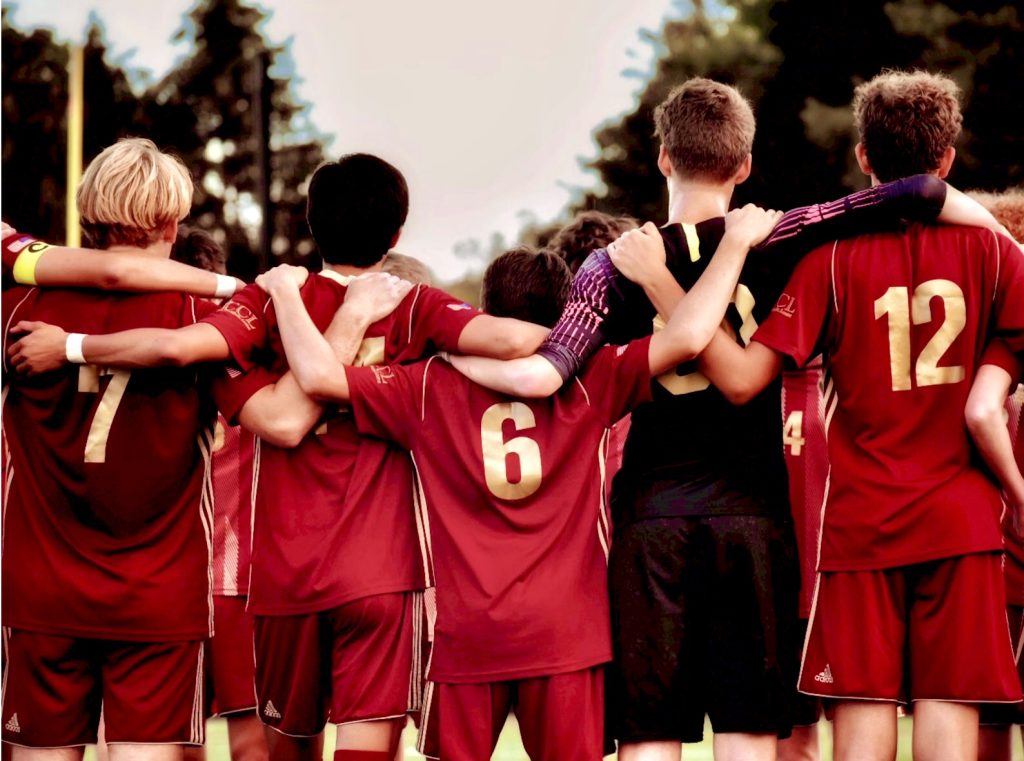
As the football season ends, many young players are left feeling a mix of emotions. For some, there is joy and celebration. For others – especially those whose teams didn’t move up to the next league – it can feel like the world has stopped turning. These moments matter. Not because of the results on the pitch, but because of what they stir within your child’s emotional world; so, when the final whistle blows, how do you support your child through sporting disappointment?
At Active Listening Therapies, we understand that children often experience emotions deeply, even if they can’t always find the words. As parents and caregivers, your calm, reflective support can help your child turn a moment of disappointment into a powerful opportunity for growth, self-awareness, and resilience.
Let’s explore how to gently support your child as they come to terms with the close of a season that didn’t end the way they’d hoped.
Why It Hurts: Understanding the Emotional Weight of Sport
For a child, football is rarely *just* a game. It’s often a place of belonging, routine, purpose, and identity. The rhythm of weekly matches, shared victories, team chants, and training drills can become central to how they see themselves.
So, when the season ends without promotion – or worse, with poor results – it can trigger a wave of complex emotions. These may include:
Sadness or grief – over missed goals and lost opportunity
Anger or blame – either directed at others or turned inward
Shame or self-doubt – especially if they feel they’ve failed
Confusion – around why effort didn’t lead to success
Withdrawal – as they pull back from talking or engaging
These feelings are completely natural. Importantly, they don’t need to be “fixed.” They need to be *heard*.
Emotional Awareness: Helping Your Child Name What They Feel
Children and teens are still learning to understand and express their emotional experiences. When something goes wrong – especially something as meaningful as a sports season – they may act out, shut down, or behave differently.
This is where emotional awareness comes in. By helping your child *name* what they’re feeling, you give them a crucial life skill: the ability to identify, express, and reflect on their inner world.
Try using gentle, open-ended prompts like:
“I can see you’re feeling something big. Want to talk about it?”
“Was there a moment this season that really stuck with you?”
“What would you say to a teammate feeling the way you do now?”
Even if they don’t answer straight away, these questions plant seeds of reflection.
Responding with Empathy: What Your Child Needs Most
When a child is disappointed, our instinct as adults is often to cheer them up or find a silver lining. While well-intentioned, this can sometimes dismiss the very real emotions they’re experiencing.
Instead, start with empathy:
“I know this season meant a lot to you. It’s really tough when things don’t go how we hoped.”
Acknowledging their pain without rushing to solve it creates a safe space. And in that space, your child can begin to process, reflect, and rebuild.
Focusing on Growth Over Outcome
One of the most powerful ways you can reframe a sporting disappointment is to focus on the *journey*, not just the result. Ask your child:
“What are you proud of from this season?”
“What did you learn about yourself as a player or teammate?”
“ Is there something you want to keep working on?”
By exploring effort, progress, and perseverance, you shift the focus from “we didn’t win” to “I grew, I tried, I showed up.”
This also strengthens internal motivation, which is more sustainable and emotionally healthy than relying solely on external success.
Encouraging Self-Compassion and Perspective
In the wake of a loss, children can be incredibly hard on themselves. They may compare their performance to others, or dwell on a missed shot or mistake.
Gently remind them that all athletes – amateur or professional – have setbacks. Use examples of admired players who missed goals, lost finals, or made comebacks after injury.
And most importantly, model self-compassion:
“It’s okay to feel disappointed. It shows you care. But one season doesn’t define who you are.”
Helping your child separate their worth from their performance is a gift that will serve them well, both on and off the pitch.
Practical Ways to Support Emotional Processing
Sometimes, children express emotions more freely through activity rather than conversation. Here are some simple, effective ways to support their emotional processing:
Creative expression – Drawing, journaling, or creating a “season memory poster”
Physical activity – Going for a walk or casual kickabout to release energy
Quiet companionship – Sitting with them in silence if they don’t want to talk
Ritual closure – Writing a letter to the team or season, then folding it away
These activities can help create a sense of emotional release and closure, without forcing verbal expression.
Looking Ahead: Rebuilding Hope and Confidence
Once your child begins to move through their emotions, you can gently begin to explore what’s next. Help them reconnect with their *why* – the love of the game, the joy of movement, or the camaraderie with teammates.
Ask:
“What are you most looking forward to about next season?”
“Is there a new skill or position you’d like to try?”
“How can we make football fun again while you rest and recharge?”
Reconnecting with the joy of sport – rather than just the competition – can help them return with renewed energy and perspective.
When to Seek Additional Support
Most children will naturally work through disappointment with time, love, and reflective support. However, if your child’s mood remains low, they withdraw from friends or activities, or show signs of low self-worth, it may be helpful to speak with a counsellor.
At Active Listening Therapies, we work with young people to build emotional resilience, process life’s challenges, and rediscover their inner strengths. Sometimes, a safe space outside of the home can offer powerful perspective and healing.
Final Thoughts: Loss Can Still Build Strength
Disappointment is part of life. But with the right support, it doesn’t have to be damaging. In fact, it can be a crucial moment of emotional growth.
By helping your child reflect, feel, and reframe their experience, you’re teaching them skills that go far beyond football. You’re showing them how to sit with emotion, how to learn from setbacks, and how to move forward with compassion and courage.
And perhaps most importantly, you’re showing them that they are valued and loved—not for their wins or trophies – but for who they are.
Even when the final whistle blows.
If you would like us to support your child or young person overcoming life challenges, you will find Louise and Duncan’s profile by clicking the link. Both have over seven years experience working with young people and are able to take adult language and re-interpret it for younger audience. https://www.activelisteningtherapies.com/about-us/
Click on the link for further sporting activities while you are waiting for the football season to kick-off https://ymcanewarksherwood.org/