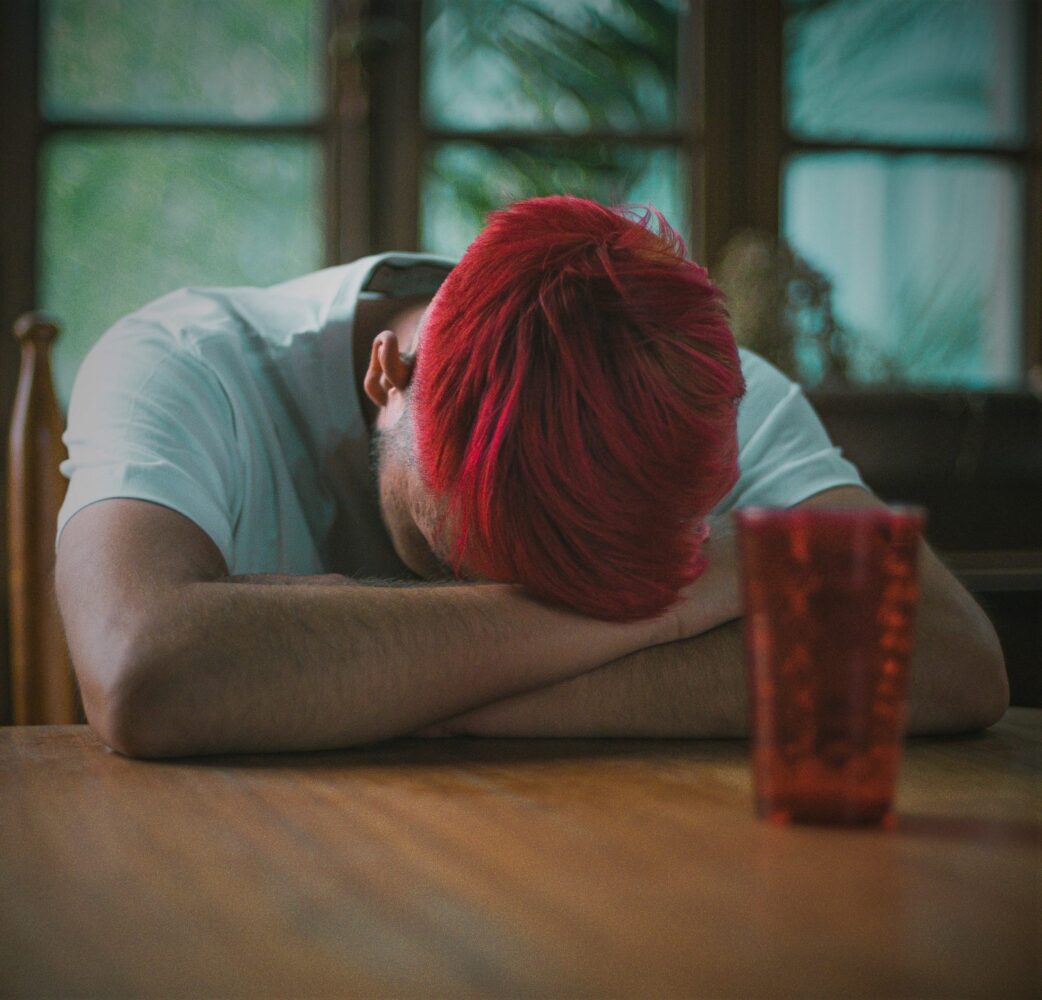
Living like an astronaut… almost.
With many people now working from home, physical time with colleagues has been greatly reduced. For some, this offers many positives as it cuts awkward conversations and even confrontation at work – which will come as a welcome relief – but for those who rely on social interaction, or have a fragile relationship, working from home can be very difficult.
Over the past year, we have seen a massive upsurge in clients who feel isolated. Feeling like this can lead to many other situations including anxiety, depression, a lack of social willingness and eating disorders. The big question is, how this affecting close relationships within the home?
Statistics show that that since COVID, numbers of divorce applications have dramatically increased; no one is sure if this is a true reflection of circumstances, or just the clearing down of the backlog since offices were closed. Just imagine how being trapped in an enclosed environment can feel, particularly if the relationship wasn’t ideal in the first place. Boredom, monotony, and repetition mixed in with a lack of variety can create a melting pot for a fractious relationship.
Scientists expect 30% of mission time in space to involve crew conflict; the one thing astronauts have that most people don’t, is specialist training in close confines – and how to deal with the emotions it causes. Most people are totally unprepared to adapt to sudden change or deal with the worrying global situations which have developed recently. Leading psychologists believe how we deal with critical circumstances is a big contributor to the success of a relationship. The reality is, it doesn’t matter who you are paired with, personal or professional, if you are with them for a long period of time, conflict will arise.
To put this into perspective, if you only spend a few hours a day with a partner, a change requiring close contact all day, every day, will increase the risk of irritation and annoyance. Therefore, working from home will put a strain on many relationships. The irony is, while couples are physically closer, conflict will cause them to feel trapped – which leads to a sense of loneliness and further isolation. So, if close proximity is going to be the new ‘normal’ we need to find a resolve.
New routine can be difficult to manage and that comes with physical and mental compromises. The optimal working environment per person is 30 square metres, so managing the floor space between partners is crucial. Also, being mindful of emotions, reactions and quirky habits is vital; letting these become an irritation only adds to the prospect of conflict. Outdoor space is particularly important, as the time going to and from work probably contributed balance between home and a professional life. Removing this reduces thinking time – the time for mental decompression; if commuter time was on public transport, this might have also included reading time, or time to listen to music, or a podcast. Conversely, walking, sitting in the garden, or spending time at the gym will reduce the amount of ‘trapped time’ and will reduce the stresses of the day, while also putting some much-needed space between others in the house.
Training for a space mission holds many useful pointers for enabling people to balance home and work life. It has been proven that stress has a direct link to conflict, particularly when confined spaces are prevalent. In routine training (if training for space can be considered as routine), it is expected that 85% of conflicts will involve two crew members with a degree of stress. Exercises to push stress limits help to develop personal growth and mission guidelines, while also encouraging the crew in self-restraint, developing a notion that things can be revisited in a calmer frame of mind. While in space it is difficult to remove yourself from the situation, within the home it is far easier and pre-empting conflict is a fantastic skill to master. Reducing conflict has more than just emotional gains. A university in the US found that couples who regularly argue have reduced immune function, so focusing on conflict resolution will also help with physical balance.
Being stuck in a confined space is not all doom and gloom. A Canadian couple quarantined for COVID-19 during a cruise said, ‘they learned to talk to each other again’ citing, ‘We have been married for over thirty years and have drifted into some bad habits, but being together 24 hours a day, for two weeks, in a small cabin allowed us to learn a lot about each other’s fears, hopes and dreams…’
Often, many couples resent the need to apologise as each partner believes they are right or have done nothing wrong after a clash. Instructors at the US space program encourage astronauts to consider a code phrase allowing a truce on petty arguments before escalation; a method of apologising without having to apologise – a notion that goes back to the 1960’s when pioneering astronauts were never wrong!
Working from home has changed the dynamic of professional and personal relationships. If you would like to discuss your circumstances you can contact us at www.activelisteningtherapies.com alternatively, if you feel you have mastered the skills to live and work in a confined space, log on to www.esa.int and register your interest to become astronaut!